Basement Pest Solutions in Hamilton: A Local Homeowner’s Guide
If you need pest control Hamilton homeowners can trust, the basement is often the best place to begin. Many Hamilton homes have basements that were built decades ago, and those spaces can create ideal conditions for an infestation if moisture, clutter, and structural openings are ignored. Whether you live in Hamilton, ON near the lower city, on the Mountain, or across Greater Hamilton, the same basement issues tend to appear again and again: damp air, foundation cracks, aging utility penetrations, and hidden entry points that pests use to move indoors.
Effective basement pest control is not just about getting rid of what you see. It is about knowing why pests are there, what parts of the basement are attracting them, and how to use integrated pest management to stop them from coming back. That means combining inspection, sanitation, exclusion, and targeted rodent control or insect control when necessary.
Mosquito Man Hamilton62 First Rd W, Hamilton, ON L8J 3R2, Canada
+1 289-408-9573
https://maps.app.goo.gl/47W3PJ15EnQopiUf6
https://sites.google.com/view/pest-control-hamilton-ontario/
43.1795221, -79.7846013
Why Hamilton Lower Levels Attract Unwanted Pests
Many Hamilton basements are particularly attractive to pests because they often contain the conditions pests need most: low light, protection, and access to moist environments. Older homes in Hamilton frequently have stone, brick, or block foundations that create small gaps over time. These structural gaps can become steady pest entry points for insects and rodents.
Moisture is one of the leading drivers. In lower-city areas and neighbourhoods near the Niagara Escarpment, drainage can be a challenge, especially after rain or snowmelt. Water can pool around foundations, seep into foundation cracks, or gather near a sump pump area. When basements stay damp, they produce the kind of humidity that pests love.

This matters because moisture does more than make pests comfortable. It also expands the amount of harbourage available. Cardboard boxes, old wood, fabric storage, and clutter create sheltered hiding spots, while damp corners can support insect activity and mouldy conditions that attract other pests. If a basement has poor ventilation, an unreliable dehumidifier, or recurring water intrusion, pest activity usually follows.
Hamilton’s climate adds pressure too. Cold winters drive rodents indoors, while humid summers increase insect pressure. That combination means seasonal pest activity is not random; it is a consistent pattern that many homes in the city experience year after year. In other words, basement problems in Hamilton are often both physical and seasonal.
Typical Below-grade Pests in Hamilton Homes
The usual basement pests in Hamilton tend to vary by season, but a few are especially regular visitors. mice and rats are some of the biggest issues because they can slip through small openings, nest in lined or cluttered spaces, and feed on almost anything. Their presence often indicates that exclusion and rodent-proofing are needed around the foundation, vents, and utility lines.
ants are also a regular concern. Some species simply forage indoors, but carpenter ants are a bigger concern because they may nest in damp wood or wall voids. A basement with moisture problems can become an excellent environment for their nesting and movement, especially when food sources or wood debris are nearby.
spiders are often found in calm, undisturbed basements where other insects are present. They are usually drawn in by harbourage and by the insect population that supports them. While spiders are not always the original pest problem, they can be a strong signal that the basement has enough insect activity to sustain them.
silverfish thrive in damp, humid spaces and may hide in stored paper, fabric, or cardboard. They are classic basement pests because they prefer dark, moist areas and often stay hidden until populations grow. centipedes also appear in basements, especially where there is humidity and other small insects to feed on.
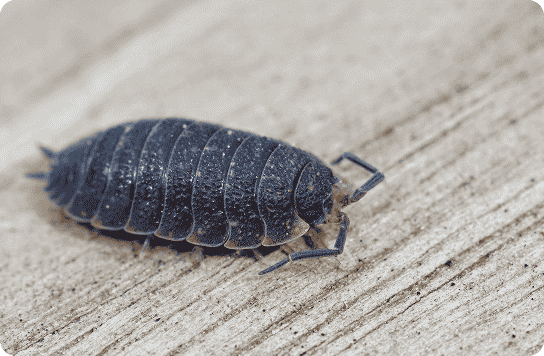
Another pest that homeowners should not overlook is cockroaches. While they are often associated with kitchens, they can also survive in basements that offer moisture, warmth, and access to food debris. In a Hamilton home, a basement with leaks, clutter, and poor sanitation can readily sustain hidden cockroach activity.
Each of these pests points to a different part of the problem, but they all thrive when a basement has easy access, moisture, and limited monitoring. That is why basement pest work should be built around diagnosis first, not guesswork.
Signs You Need pest control Hamilton
If you suspect a basement issue, there are a few warning signs that should not be ignored. One of the clearest is waste. Rodent droppings in storage rooms, along walls, near food, or around the furnace are solid signs that mice or rats are active. The same applies to nesting material, shredded insulation, or greasy rub marks near travel paths.
Bite marks are another major sign. Rodents chew wood, plastic, insulation, and even electrical materials to keep their teeth worn down. If you find damaged boxes, chewed corners, or marks around pipes and foundation openings, you likely have a live access problem that needs attention.
Damp smells can point to moisture issues, hidden nesting, or both. A damp basement smell is often the result of poor moisture control, but it can also indicate animal activity in wall voids, under stairs, https://sites.google.com/view/pest-control-hamilton-ontario/ or behind stored items. Persistent odours should always trigger a closer look.
Sightings are the most obvious sign, but they are often the last sign people notice. Seeing one mouse, one rat, or repeated insects in the basement usually means there is more activity out of sight. Because basements have so many hiding places, visible pests often indicate a larger infestation somewhere nearby.
A professional property inspection focused on pest activity can help identify whether the issue is isolated or part of a larger recurring pattern. If signs keep returning, that often means the underlying cause has not been addressed.
The way basement pest control functions
Effective basement pest work gets underway with a thorough inspection. An expert will look for moisture sources, damaged masonry, gaps around pipes, utility penetrations, window frames, and structural openings. Often, a baseline inspection also includes inspections around the furnace, laundry area, storage rooms, window wells, and the sump pump area, since these are frequent trouble spots in Hamilton homes.
From there, the technician builds a treatment plan. That plan may include targeted traps, bait stations, insect treatments, and recommendations for repairs or cleaning. The best plans are based on integrated pest management, which means the goal is not just extermination, but ongoing prevention and monitoring as well.
Exclusion is usually the main long-term step. This involves sealing entry points, repairing or screening openings, and closing off foundation cracks or other structural gaps that pests use to get inside. Proper rodent-proofing around pipes, vents, sill plates, and basement windows can greatly cut repeat activity.
For insect issues, safe application methods are used to target active infestations while minimizing risk inside the home. For rodents, traps and baiting may be used alongside sanitation changes and exclusion work. The most effective approach is always tied to the basement’s actual conditions, not a one-size-fits-all spray.
Finally, follow-up service is important. Pests rarely disappear forever after one visit if the basement still has moisture, clutter, or access routes. Ongoing follow-up helps confirm that the treatment plan is working and that recurrence is being prevented.
Do-it-yourself Prevention Tips for Hamilton Basements
Residents can cut down basement pest pressure with a few practical steps. Start with a dehumidifier if the basement feels damp. Lowering humidity helps make the space less attractive to silverfish, centipedes, and many other pests. It also supports better long-term humidity control, especially during humid Hamilton summers.
Then, focus on sealing gaps. Check pipes, vents, windows, baseboards, and the rim joist for openings that pests could use. Even small gaps can become major entry points for mice and insects. Pay special attention to foundation cracks, utility line penetrations, and the edges of window wells.
Storage counts too. Use sealed storage bins instead of cardboard boxes whenever possible. Cardboard absorbs moisture and offers easy hiding places, while plastic bins make it harder for rodents and insects to establish harbourage. Keep items off the floor and away from walls so it is easier to inspect for signs of activity.
Regular cleanup is also essential. Remove crumbs, remove dead insects, wipe spills, and avoid leaving pet food or paper clutter in the basement. Good sanitation reduces food sources and nesting material, which can make a big difference in prevention. If your basement has a furnace room, laundry area, or workshop, keep those zones especially tidy.
It is also smart to check the sump pump area and any drainage points after storms or thaw periods. Water near the foundation can quickly lead to pest activity. In Hamilton, where weather shifts can be sudden, a damp basement can become a pest-friendly basement faster than many homeowners expect.
When to Reach Out To a Nearby Pest Control Company
Some basement problems can be handled with DIY prevention, but there are times when a local expert is the better choice. If you are dealing with repeated infestations, it usually means there is a hidden source that has not been fixed. Frequent mouse activity, constant ant trails, or ongoing insect sightings are strong signs that professional help is needed.
Call for rodent control if you hear scratching, find fresh droppings, or notice chewing damage. Rodents in basements can multiply quickly, and the longer they stay, the more likely they are to damage insulation, wiring, and stored items. A professional can identify routes, nesting zones, and the best entry-point sealing approach.
Professional insect control is also essential when basement pests keep coming back, especially if the problem involves carpenter ants, cockroaches, or repeated spider activity that suggests another insect source is present. In many cases, the insect problem is tied to moisture and hidden harbourage that only a trained technician will catch during inspection.
A reputable company offering pest control Hamilton homeowners rely on should provide a trusted service based on the basement’s real conditions. That means not just treating the symptom, but explaining why the infestation is happening and what needs to change to stop it.
What Hamilton Homeowners Need to Ask Before Scheduling
Before you book service, ask whether the company sends a licensed technician. Basement pests often require careful inspection and targeted treatment, so experience matters. A licensed pro should be able to spot the likely access routes, moisture issues, and species involved.
Ask about safe treatments as well. Families in Hamilton often want solutions that are effective without being unnecessarily disruptive. The right provider should explain how products will be applied, where they will be placed, and how they fit into a broader prevention strategy.
Pricing should also be clear. A trustworthy company will explain what is included in the inspection, treatment plan, exclusion work, and any follow-up visits. If the quote is vague, ask for specifics about what is covered and whether re-service is included if pests return.
Finally, ask about the guarantee. Basement pest problems can be stubborn, especially in older Hamilton homes with stone or block foundations. A strong guarantee shows that the company stands behind both the service and the follow-up. It also gives you more confidence that the work is focused on recurrence, not just a quick fix.
When you compare providers, look for one that understands Hamilton’s older housing stock, local drainage challenges, and the seasonal pest pressure that comes with cold winters and humid summers. Those local details matter in basement pest work.
Frequently Asked Questions About Basement Pest Control
What pests are most common in Hamilton basements?
The most common basement pests in Hamilton include mice, rats, ants, spiders, silverfish, centipedes, carpenter ants, and cockroaches. Which ones show up depends on the basement’s moisture level, access routes, and how much clutter or food source is available.
How do I know if I need pest control in Hamilton for my basement?
You likely need pest control Hamilton service if you see droppings, chew marks, mildewy smells, or repeated encounters. Other signs include scraping sounds, damaged stored items, and pest activity that keeps returning after cleanup. A basement home inspection can help confirm whether the issue is limited or part of a more serious infestation.
Can moisture in a basement cause pest problems?
Yes. Moisture and humidity can directly contribute to pest problems by creating damp conditions that attract silverfish, centipedes, ants, and even cockroaches. Damp areas around the sump pump area, window wells, or foundation cracks can also provide nesting spots and make exclusion more difficult.
How long does basement pest control usually take?
The timeline depends on the pest, the size of the infestation, and how much exclusion work is needed. A first visit usually includes a careful inspection and a treatment plan. Follow-up service may be needed to confirm results and reduce recurrence. In many cases, the biggest time factor is how quickly moisture, sanitation, and entry points are addressed.
What can I do to prevent pests from coming back?
Focus on preventive maintenance such as using a dehumidifier, improving sanitation, storing items in sealed bins, and maintaining exclusion around cracks and gaps. Keep an eye on seasonal pest activity, especially during cold winters when rodents move indoors and humid summers when insects increase. Regular monitoring and quick repairs are the smartest way to reduce repeat problems in Hamilton basements.